 By Admin
 August 03, 2026
In most industrial plants, the process of material handling begins with an easy job of transferring products, boxes, cases, sacks, or parts from one place to another. In case of manual handling of this transfer process, it may take up a lot of time and physical efforts and can cause disturbance to the work flow as well.
This is where Idler Roller Conveyors can make a difference. Designed to support and move materials along a defined path, these conveyors provide a simple and efficient solution for industries looking to reduce manual handling and improve the overall flow of operations.
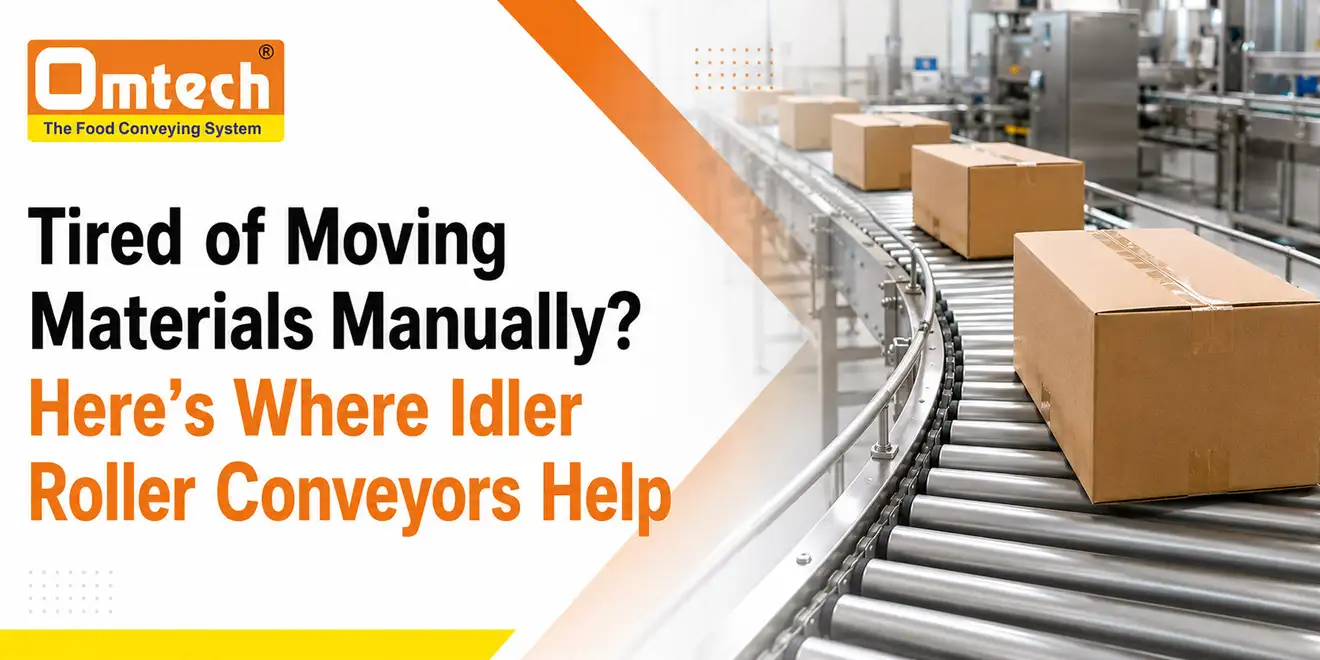
Idler roller conveyors consist of a series of rollers mounted within a conveyor frame. Unlike powered conveyor systems, the rollers are generally not individually driven by motors. Depending on the design and application, materials can move across the rollers through manual pushing, gravity, or a combination of both.
Their relatively simple construction makes them useful for applications where continuous powered movement is not necessary. They can be designed according to the size, weight, shape, and handling requirements of the products being transported.
For businesses, this means material movement can become more organized without adding unnecessary mechanical complexity to the handling process.
Manually handling materials may prove to be difficult as workers have to lift, carry, or push such materials around the facility repeatedly. The process is not only time-consuming but can put extra strain on workers.
Idler roller conveyors provide a supporting surface that allows suitable loads to move more easily along a designated path. Instead of carrying every item from one workstation to another, operators can place materials on the conveyor and move them along the rollers.
This can help reduce unnecessary walking and carrying while making material transfer more consistent. In busy production environments, even small improvements in material movement can contribute to a smoother workflow.
Food processing and engineering facilities often involve the movement of containers, trays, packages, ingredients, finished products, and other materials between different stages of operation.
An idler roller conveyor is best suited when products are transported over a relatively short distance or under precise control when not every segment requires a powered system.
The use of conveyor materials and construction appropriate to the conditions is required for the food industry and must take into account the intended use, cleaning and any product properties. Choosing the appropriate conveyor configuration is therefore important for maintaining efficient and practical material handling.
One of the key advantages of idler roller conveyors is their straightforward design. With rollers, frames, supports, and other required components working together, the system can be adapted to different layouts and handling requirements.
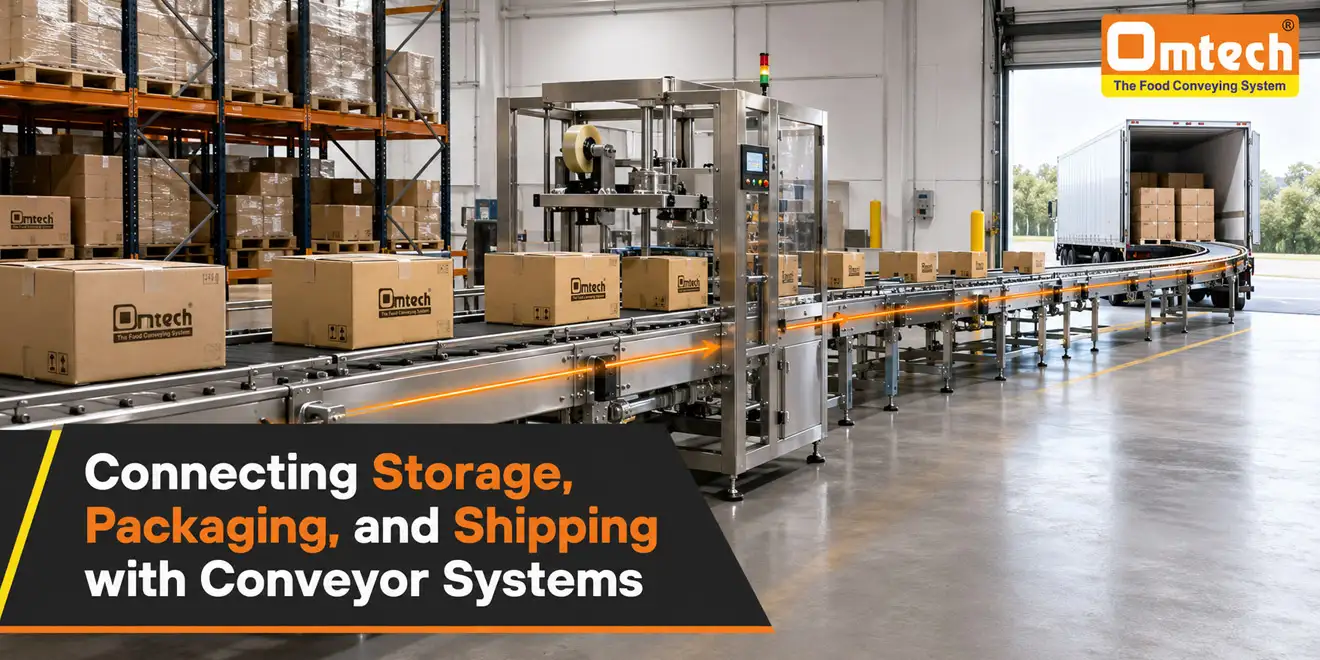
They can be used in areas such as production lines, packing sections, warehouses, dispatch areas, assembly operations, and material transfer points. Depending on the application, conveyor dimensions, roller specifications, frame construction, and height can be selected to suit the facility.
This flexibility allows businesses to integrate roller conveyors into existing workflows rather than completely redesigning their material handling operations.
Productivity is more than just speeding up production. It's also a matter of eliminating needless movements and effective use of time. If workers use less time to move materials from one place to another, they have more time to attend to and utilize their skills and attention on the task.
Idler roller belt conveyors can be used to set up defined material routes to minimise material movement on the work floor.
A more orderly flow may also facilitate employees' ability to locate where materials need to be transferred, placed or collected. These improvements over time, can make a more efficient production environment.
Manual handling may seem manageable when production volumes are low, but as operations expand, repetitive material movement can become a significant challenge. Idler Roller Conveyors offer a practical way to make suitable material transfers easier, more organized, and less dependent on constant manual carrying.
Omtech Food Engineering provides food processing and material handling solutions designed around industrial requirements. With the right conveyor configuration, businesses can create smoother transfer points and improve the movement of materials across production, packing, storage, and dispatch areas.
The objective is simple: instead of having people constantly move materials, create a system where materials can move more efficiently. You can explore the full range at omtechfoodengg.com .
Idler roller conveyors are conveyor systems made with a series of rollers that support and transport materials. They typically do not use individually powered rollers and may rely on manual force or gravity, depending on the design.
Yes, they can be designed for different load capacities. The roller type, diameter, frame construction, spacing, and overall conveyor design should be selected according to the weight and dimensions of the materials.
They provide a continuous roller surface that allows suitable materials to be transferred along a defined route instead of being repeatedly carried from one location to another. This can reduce unnecessary physical movement and improve workflow efficiency.

Hadamtala Industrial Area,
Opp. HP Petrol Pump. NH 27, Dist: Rajkot Gujarat, India.




 +91 9879670483
 info@omtechfoodengg.com